Book Design
In collaboration with:
Allina Nadeau
Italian Futurism of the 1920s championed speed, motion, and the expressive power of typography, using bold forms to capture the energy of a rapidly modernizing world. This project is a type specimen that draws directly from that legacy, reinterpreting its radical visual language through a contemporary lens.
Developed as a research-driven book, it seeks to bridge a century of design evolution, connecting the restless dynamism of early typographic futurism with the expressive, technology-infused futurism of today. This project is meant to highlight the enduring relevance of Futurist principles while showcasing modern-day futuristic typography.
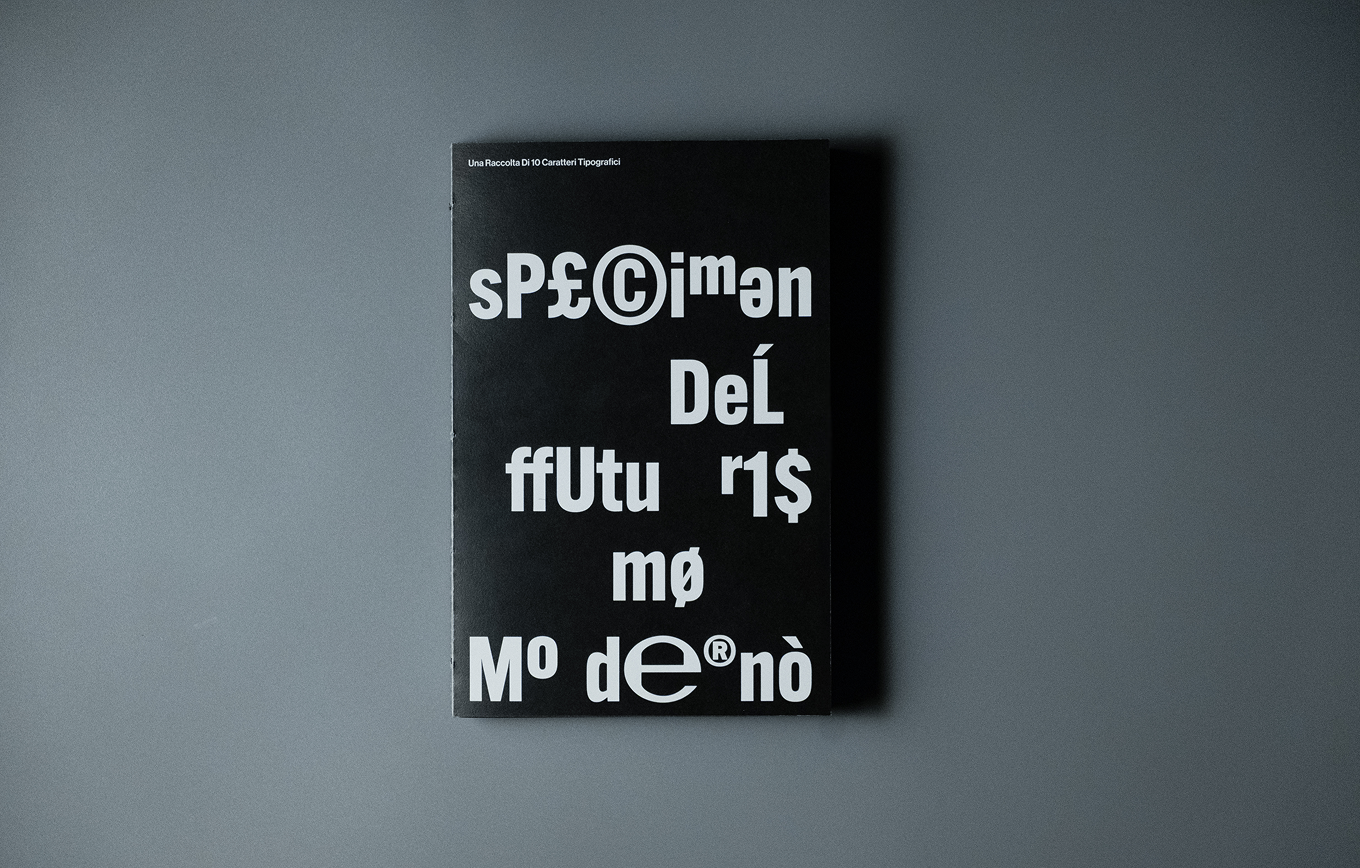
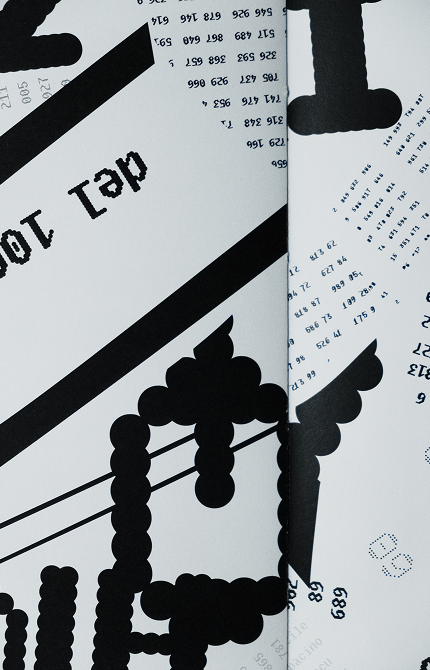
Each chapter draws inspiration from a timeless artifact of the Futurist era, spanning posters, magazine covers, and advertisements. After curating a set of contemporary typefaces, we reinterpreted these original pieces, essentially reconstructing them through the lens of their newly assigned typographic voices. This process became our method of bridging the hundred-year gap, creating a dialogue between past and present and illuminating how the two eras resonate with one another.
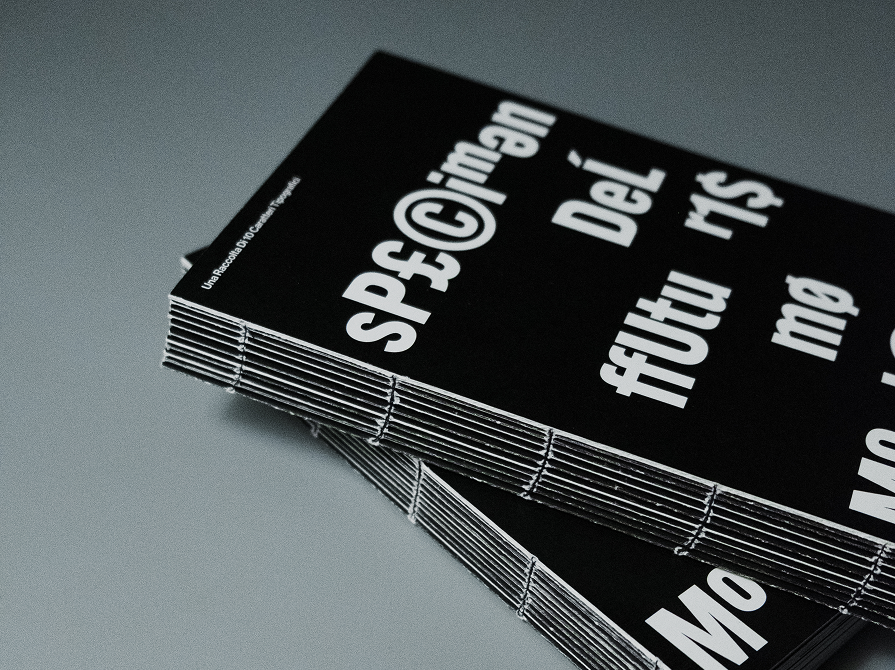
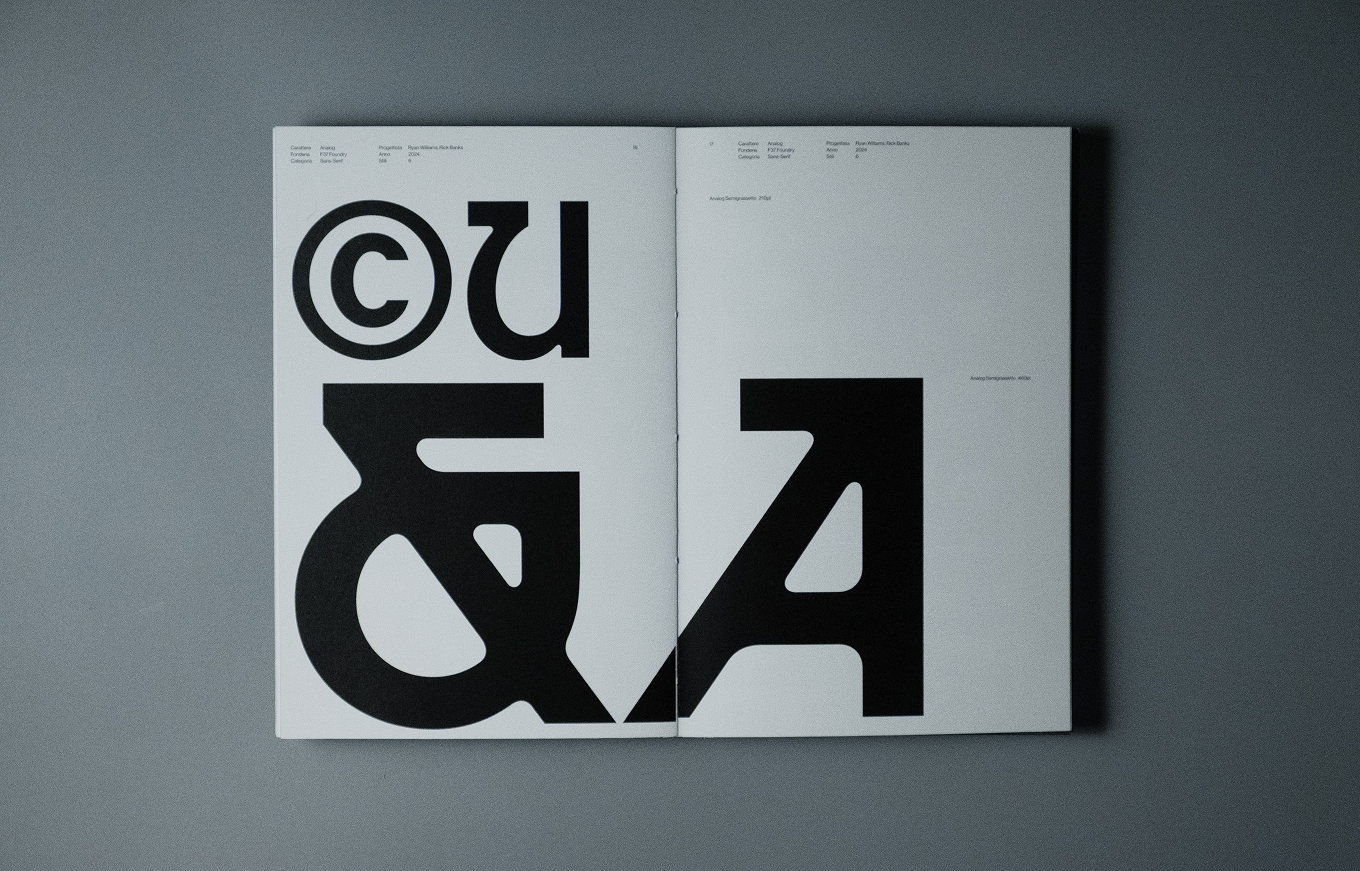
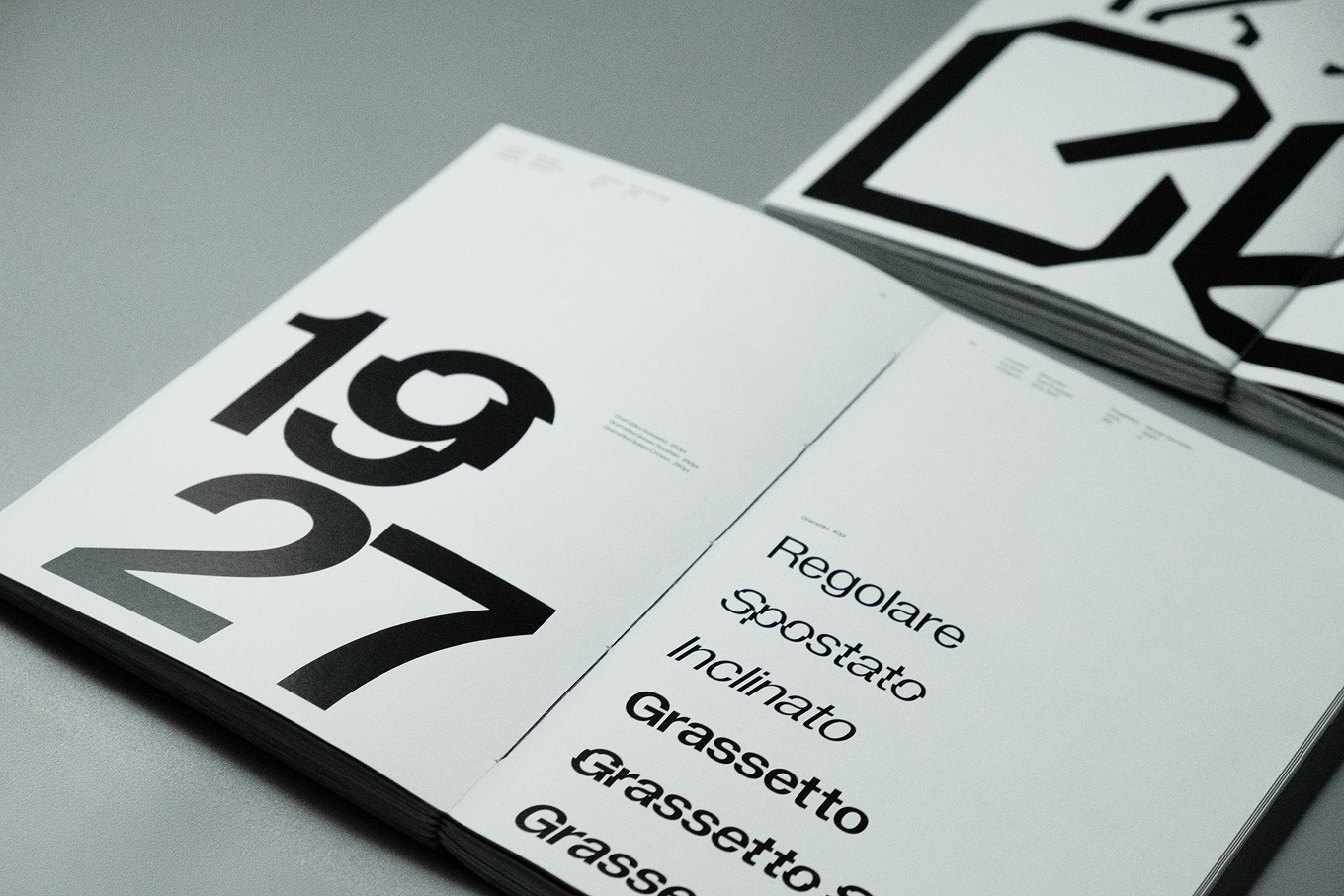
Beyond creating what we believe to be a modern artifact of the Futurist movement, we also wanted this book to highlight the work of some of the world’s most talented typographers and their respective foundries. This typographic specimen highlights the work of the following foundries: F37 Foundry, OT Bulb Foundry, Displaay Type, CoType Foundry, Font Bureau, Type.Tmpstate, Commercial Type, Studio Few, PangramPangram, Superior Type.
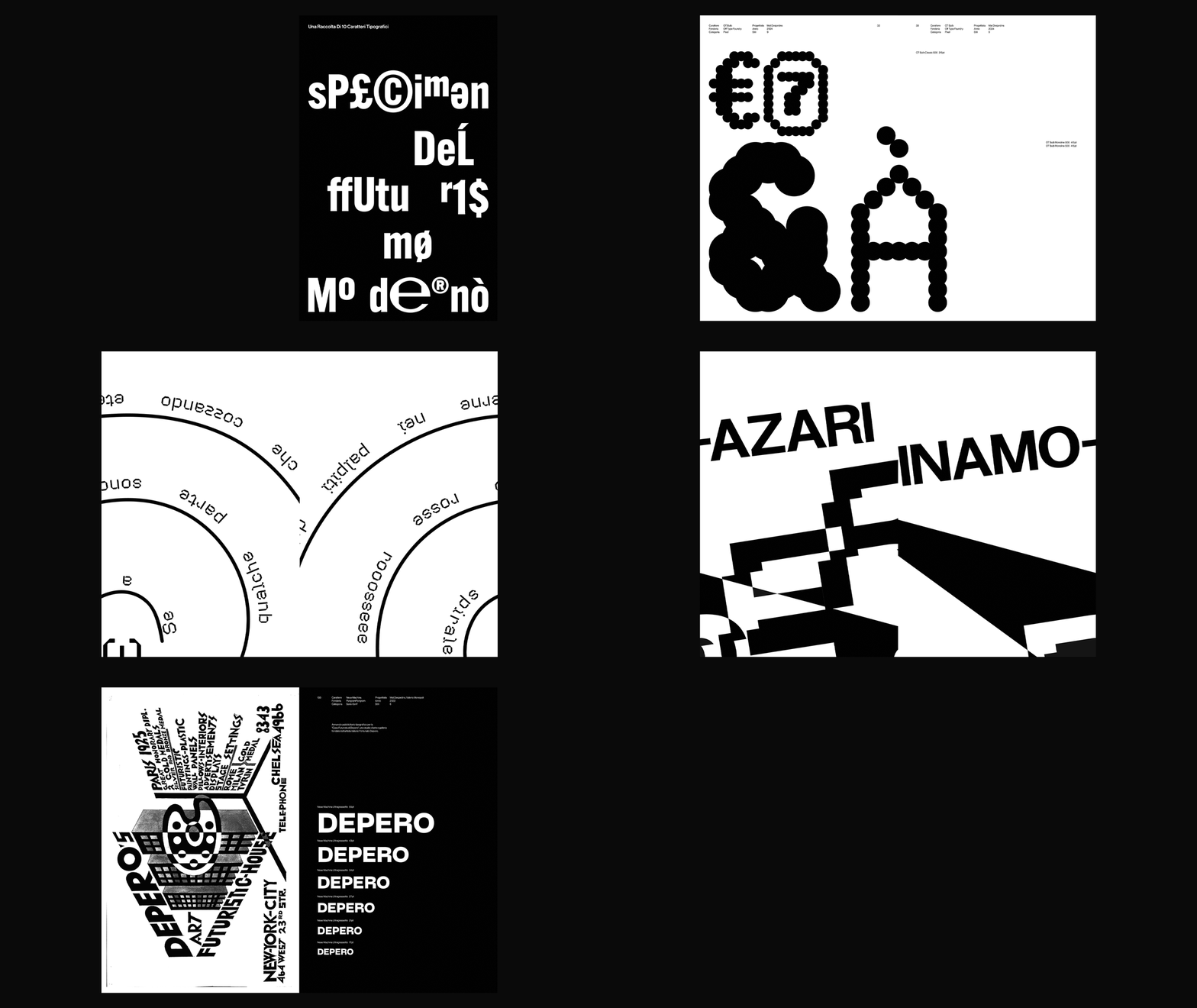
Book Design
In collaboration with:
Allina Nadeau
Italian Futurism of the 1920s championed speed, motion, and the expressive power of typography, using bold forms to capture the energy of a rapidly modernizing world. This project is a type specimen that draws directly from that legacy, reinterpreting its radical visual language through a contemporary lens.
Developed as a research-driven book, it seeks to bridge a century of design evolution, connecting the restless dynamism of early typographic futurism with the expressive, technology-infused futurism of today. This project is meant to highlight the enduring relevance of Futurist principles while showcasing modern-day futuristic typography.

Each chapter draws inspiration from a timeless artifact of the Futurist era, spanning posters, magazine covers, and advertisements. After curating a set of contemporary typefaces, we reinterpreted these original pieces, essentially reconstructing them through the lens of their newly assigned typographic voices. This process became our method of bridging the hundred-year gap, creating a dialogue between past and present and illuminating how the two eras resonate with one another.


Beyond creating what we believe to be a modern artifact of the Futurist movement, we also wanted this book to highlight the work of some of the world’s most talented typographers and their respective foundries. This typographic specimen highlights the work of the following foundries: F37 Foundry, OT Bulb Foundry, Displaay Type, CoType Foundry, Font Bureau, Type.Tmpstate, Commercial Type, Studio Few, PangramPangram, Superior Type.

Book Design
In collaboration with:
Allina Nadeau
Italian Futurism of the 1920s championed speed, motion, and the expressive power of typography, using bold forms to capture the energy of a rapidly modernizing world. This project is a type specimen that draws directly from that legacy, reinterpreting its radical visual language through a contemporary lens.
Developed as a research-driven book, it seeks to bridge a century of design evolution, connecting the restless dynamism of early typographic futurism with the expressive, technology-infused futurism of today. This project is meant to highlight the enduring relevance of Futurist principles while showcasing modern-day futuristic typography.

Each chapter draws inspiration from a timeless artifact of the Futurist era, spanning posters, magazine covers, and advertisements. After curating a set of contemporary typefaces, we reinterpreted these original pieces, essentially reconstructing them through the lens of their newly assigned typographic voices. This process became our method of bridging the hundred-year gap, creating a dialogue between past and present and illuminating how the two eras resonate with one another.


Beyond creating what we believe to be a modern artifact of the Futurist movement, we also wanted this book to highlight the work of some of the world’s most talented typographers and their respective foundries. This typographic specimen highlights the work of the following foundries: F37 Foundry, OT Bulb Foundry, Displaay Type, CoType Foundry, Font Bureau, Type.Tmpstate, Commercial Type, Studio Few, PangramPangram, Superior Type.
